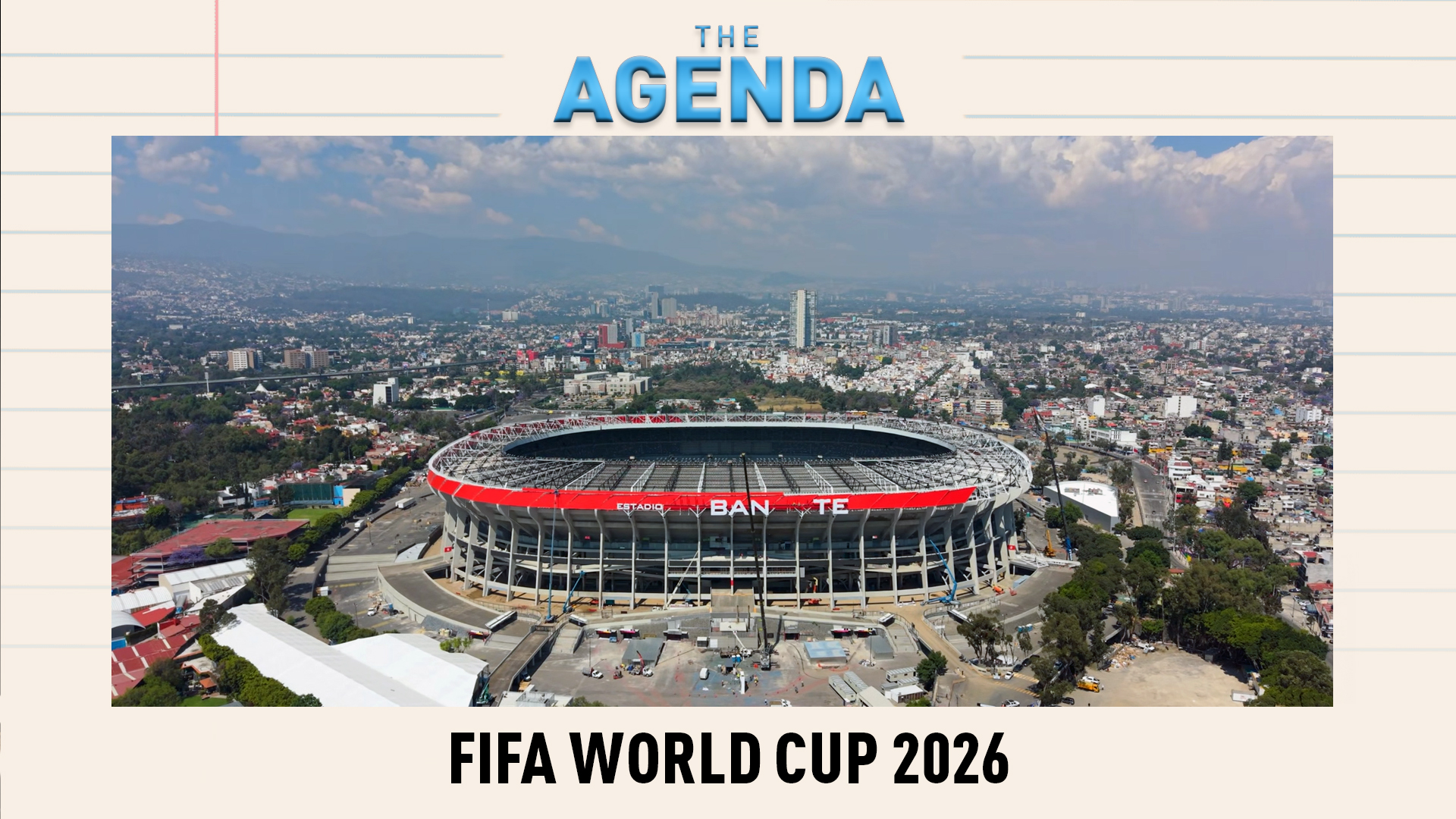
The world’s biggest football stage returns in 2026 but behind the roar power politics and rising costs are changing the Beautiful Game forever.
The 23rd FIFA World Cup has now kicked off in North America.
The largest in history, this year’s tournament will see 48 teams play 104 games across the United States, Canada and Mexico before the winner is crowned on July 19.
But as geopolitical tensions reshape trade, media and technology, and concerns mount over visas, ticket prices and transport costs, what will the tournament tell us about football’s position on the global stage?


When the global spectacle ignites, stadiums roar, nations unite, and legends carve their names into eternity—but beneath this dazzling, sweat-soaked turf, a relentless engine of power politics and soaring costs is reshaping the Beautiful Game forever.
The most anticipated sporting event in modern history has kicked off across North America. Yet, the greatest show on earth masks a highly divided reality. It is bigger, brasher, and louder than ever. It is also the most politicized, expensive, and exclusive tournament ever staged. The romantic dream of the Beautiful Game clashes with cold corporate reality.
A Colossal Expansion
The tournament broke its 28-year format mold. The old 32-nation setup vanished. In its place, a bloated 48-nation mega-tournament dominates the global stage. This means 104 matches. The bloated group stages feature 12 groups of four teams.
The tournament broke its 28-year format mold. The old 32-nation setup vanished. In its place, a bloated 48-nation mega-tournament dominates the global stage. This means 104 matches. The bloated group stages feature 12 groups of four teams.
More teams mean more matches. More matches mean more money. FIFA bosses celebrate this expansion as a triumph of “inclusion”. They claim this brings football to the masses. Critics point to a different reality. The expanded format dilutes the early competition. Many matches feel more like corporate exhibitions than high-stakes drama.
Record-Breaking Revenue
The financial stakes are absolutely jaw-dropping. The tournament is projected to generate $11 billion in total revenue. This shatters all previous records. Broadcasting rights pull in $4.4 billion. Sponsorships add another $2.2 billion. Ticket sales are expected to exceed $1.65 billion.
The financial stakes are absolutely jaw-dropping. The tournament is projected to generate $11 billion in total revenue. This shatters all previous records. Broadcasting rights pull in $4.4 billion. Sponsorships add another $2.2 billion. Ticket sales are expected to exceed $1.65 billion.
These numbers represent a 47% increase over the 2022 tournament in Qatar. The tournament is no longer just a sporting event. It is a global economic juggernaut. Corporate giants from the US and around the world pour billions into the event. These brands dictate the narrative. They control the pace. They ensure profit margins take priority over fan loyalty.
The Staggering Cost to Fans
Ordinary supporters bear the brunt of this financial obsession. Traveling to North America requires a massive budget. Fans attending matches face astronomical prices. The cost of tickets, flights, and hotels skyrocketed.
Ordinary supporters bear the brunt of this financial obsession. Traveling to North America requires a massive budget. Fans attending matches face astronomical prices. The cost of tickets, flights, and hotels skyrocketed.
Tickets for the tournament’s biggest matches demand obscene figures on resale markets. Families who once dreamed of seeing their heroes live are priced out completely. FIFA claims to have cheaper tickets available. Yet, those affordable seats make up a microscopic fraction of total capacity.
Fans struggle to find affordable rooms. The tournament is on course to be the biggest hosting event for lodging services like Airbnb. However, many hotels in host cities remain significantly underbooked. Fans actively avoid city centers. They book accommodations hours away to survive the financial strain.
The Price of Super-Sized Stadiums
The host cities themselves face monumental burdens. Upgrading massive stadiums requires extreme public spending. Security and logistical operations stretch local budgets to the breaking point.
The host cities themselves face monumental burdens. Upgrading massive stadiums requires extreme public spending. Security and logistical operations stretch local budgets to the breaking point.
Taxpayers in the United States, Canada, and Mexico foot the bill. Promises of immense economic windfalls often fall short. Local communities face heavy disruptions. Public resources are diverted from essential social services to fund temporary sporting infrastructure.
Sportswashing and Political Theatrics
The Beautiful Game has always reflected the global political landscape. This tournament elevates geopolitical entanglement to an unprecedented level. The host nations actively use the event to project global dominance. This has sparked massive debates about sportswashing.
The Beautiful Game has always reflected the global political landscape. This tournament elevates geopolitical entanglement to an unprecedented level. The host nations actively use the event to project global dominance. This has sparked massive debates about sportswashing.
Governments exploit the world’s most-watched sporting event to distract from controversial policies. Leaders use the mega-tournament as political theater. They seek diplomatic victories on the world stage while thousands of fans gather in the stands.
The United States government stands at the center of this storm. Immigration enforcement and strict visa policies create barriers for global fans. Supporters and journalists from various nations struggle to enter the host countries. These travel restrictions actively contradict FIFA’s claims of inclusivity. The tournament increasingly feels exclusionary.
Geopolitical disputes complicate the action on the pitch. The presence of specific national teams turns sporting events into diplomatic battlegrounds. Matches between rival nations carry immense symbolic weight. The tournament forces fans and players to navigate highly charged political crosscurrents.
Host City Clashes and Civil Unrest
The political drama extends far beyond the stadiums. The tournament’s scale has provoked local backlash across North America. In Mexico, fans and citizens protested the rising costs of the games. Statues honoring World Cup legends were toppled by angry citizens. Teachers and workers threatened to disrupt matches unless their demands for better wages are met.
The political drama extends far beyond the stadiums. The tournament’s scale has provoked local backlash across North America. In Mexico, fans and citizens protested the rising costs of the games. Statues honoring World Cup legends were toppled by angry citizens. Teachers and workers threatened to disrupt matches unless their demands for better wages are met.
Host cities in the United States also struggle with unrest. Protesters clash with authorities over domestic and international policies. Officials in these cities publicly monitor the political situation. They nervously try to balance free speech with the need for strict tournament security.
The tournament’s presence places severe strain on vulnerable communities. Low-income neighborhoods face displacement and rising rents. The shiny new infrastructure contrasts sharply with urban inequality. The glittering tournament ignores the social challenges in its own backyard.
The Impact on Global Superstars
The sport’s greatest players feel the physical and political weight of this mega-tournament. Expanded formats force stars to play a grueling schedule. The 48-nation model means more matches for the top players. Fatigue becomes a massive factor.
The sport’s greatest players feel the physical and political weight of this mega-tournament. Expanded formats force stars to play a grueling schedule. The 48-nation model means more matches for the top players. Fatigue becomes a massive factor.
Stars like Kylian Mbappé face extreme physical demands. They must navigate a grueling club season. Then they plunge into a bloated international tournament. The relentless schedule risks the health and longevity of the sport’s brightest talents.
The political environment also impacts the players. Athletes increasingly use their platforms to speak out on social issues. The tournament turns them into global symbols. The immense pressure placed on national teams and individual players extends well beyond athletic performance.
The Battle for the Soul of Football
The 2026 World Cup represents a watershed moment. It proves football is now a corporate commodity. The soul of the sport fights against aggressive commercialization. The traditional values of the game—passion, community, and equal access—are slowly suffocated by corporate demands.
The 2026 World Cup represents a watershed moment. It proves football is now a corporate commodity. The soul of the sport fights against aggressive commercialization. The traditional values of the game—passion, community, and equal access—are slowly suffocated by corporate demands.
The tournament tests fan loyalty to its absolute limits. Supporters wonder if they are witnessing a celebration of the sport. Or, if they are simply watching a marketing exercise designed for television audiences.
Despite all controversies, the drama on the pitch remains compelling. Fans still flock to watch the world’s greatest talents clash. The magic of a perfectly placed free-kick or a spectacular save still captivates billions. The emotional connection between fans and their national teams endures. It survives despite FIFA’s questionable decisions and rising costs.
A New Era for the Tournament
The 48-team format is here to stay. The tournament will never return to its simpler, more compact roots. This expansion ushers in a new era of global sporting events. It is an era driven by revenue, broadcast rights, and corporate partnerships.
The 48-team format is here to stay. The tournament will never return to its simpler, more compact roots. This expansion ushers in a new era of global sporting events. It is an era driven by revenue, broadcast rights, and corporate partnerships.
This shift changes how the sport operates at the highest level. Football becomes a global geopolitical tool. Countries vie for the right to host these mega-events. They do so not just for the love of the game, but for international prestige and soft power.
The tournament highlights the growing gap between elite football and the everyday fan. The sport generates record wealth. Yet, this wealth struggles to trickle down to grassroots levels. Grassroots football often struggles while billions are poured into a single, month-long spectacle.
The Path Forward
Fans and consumer groups now demand change. They challenge the legality of dynamic pricing in ticket sales. They demand transparency and fairness in ticket allocation. Supporters want football to return to its traditional values. They organize boycotts and online campaigns to highlight their struggles.
Fans and consumer groups now demand change. They challenge the legality of dynamic pricing in ticket sales. They demand transparency and fairness in ticket allocation. Supporters want football to return to its traditional values. They organize boycotts and online campaigns to highlight their struggles.
These fans remind the governing body that the tournament exists because of global passion. They argue that the World Cup should celebrate community and culture. It should not just be a tool for maximizing profit margins.
The 2026 World Cup is an event of unmatched scale. It features unprecedented revenue. It also faces unprecedented political and economic challenges. The tournament captures the attention of the entire world. It also exposes the deep divisions within the global game.
The beautiful game will survive these changes. The roar of the crowd and the brilliance of the players will always draw millions. However, the sport is changed forever. The tournament in North America proves power, politics, and profit now run the beautiful game.
Fans must accept this new reality. They watch a sport transformed by globalization and commercialization. The drama on the pitch remains as thrilling as ever. But the cost of this drama rises every single day. The beautiful game is now the biggest business in the world.