Lando Norris Pushes for Driver Influence in Future F1 Rules Amid Growing 2026 Regulation Debate
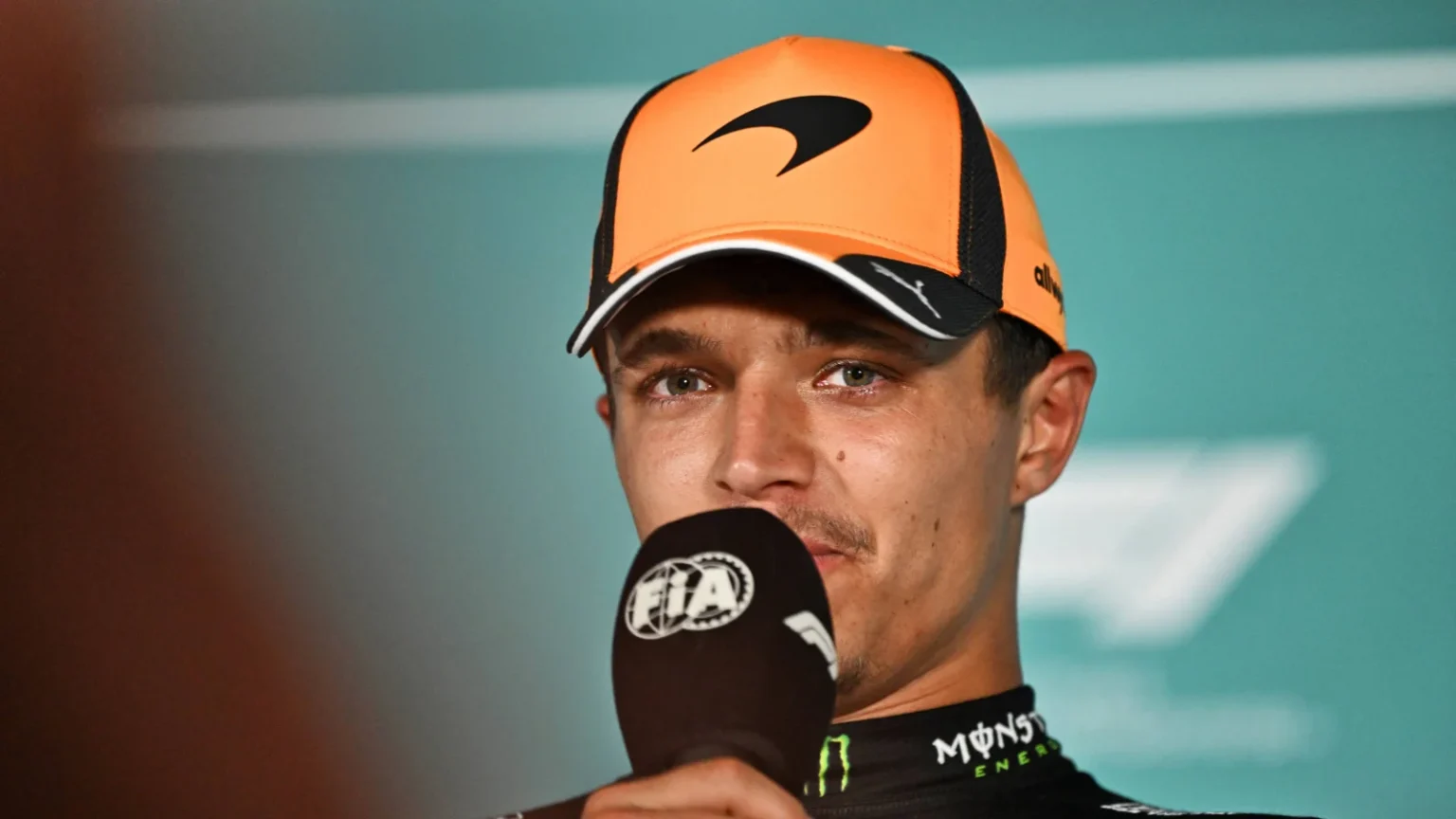
Lando Norris has called for Formula 1 drivers to play a bigger role in shaping the sport’s future regulations, arguing that competitors deserve “a seat at the table” when key decisions affecting racing are made.
The McLaren star made his position clear amid growing controversy surrounding the upcoming 2026 Formula 1 regulations, which have sparked intense debate among drivers, teams, and fans over the future direction of the sport.
The next generation of F1 rules has already divided opinion, particularly due to concerns surrounding battery management, power delivery, and racing quality. Critics fear the planned regulations could negatively impact wheel-to-wheel battles and reduce the excitement fans expect from Formula 1.
Following criticism from across the paddock, adjustments were already introduced ahead of the Miami Grand Prix, with governing bodies seeking to address issues related to energy deployment and dangerous closing speeds between cars.
However, discussions about further rule changes are already underway, with reports suggesting major updates could arrive by 2027, including a revised 60:40 split between internal combustion and electric power, alongside increased fuel flow to improve overall racing performance.
Speaking about the future of Formula 1, Norris emphasized that drivers across the grid largely share the same vision for the sport—regardless of where they compete in the standings.
According to the British driver, everyone from championship contenders to those fighting at the back simply wants more exciting racing, closer battles, and a product that entertains supporters around the world.
Norris explained that drivers are united in wanting cars they can push to the limit while delivering competitive action fans genuinely enjoy watching.
He revealed that the issue has become an important topic of discussion within the Grand Prix Drivers’ Association (GPDA), where drivers have increasingly voiced support for having more influence over future regulations.
Despite strongly backing greater driver involvement, Norris also admitted there are limitations to how much influence competitors should have.
The 25-year-old acknowledged that drivers often do not fully understand the broader financial, technical, and operational complexities involved in running Formula 1.
From team budgets and engineering challenges to commercial agreements and long-term development costs, Norris admitted that drivers can sometimes view issues too narrowly from a racing perspective.
Still, he believes the majority of drivers’ ideas would ultimately benefit both the sport and its supporters.
Norris argued that what drivers want usually creates a “win-win” situation—better racing for competitors and a more exciting spectacle for fans.
However, he also recognized that implementing changes is rarely simple due to Formula 1’s enormous financial ecosystem, strict regulations, and the complexity of balancing sporting fairness with business realities.
As Formula 1 enters a crucial period of transformation, the debate surrounding driver involvement is only expected to intensify.
With major technical changes on the horizon and increasing pressure to maintain exciting racing, Norris’ comments may reignite calls for drivers to have greater influence over decisions that shape the future of the sport.
For many fans, the message is simple: if drivers know what creates better racing, should they have a bigger voice in Formula 1’s future?

Lando Norris voices support for Lewis Hamilton notion
Norris also reaffirmed feedback from Lewis Hamilton that drivers would only offer feedback.
“He [Hamilton] is completely correct,” Norris said, referring to Hamilton’s suggestion that drivers should have a “seat at the table”.
“It’s something that we want. It’s what they have in a lot of other sports.
“It’s more of just a louder voice at times, rather than ‘drivers want this, why are you not doing it?’
“It’s just a bit more of a say in some things and persuasion in directions into the future.
“At the minute, we don’t have that. So it’s more we just can’t voice our opinion as much as we would like. But that’s something we’re working on.”
Norris’ revelation that drivers want a seat at the table demonstrates that calls for change on how regulations are made are continuing to grow.