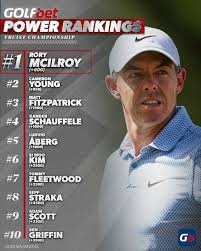
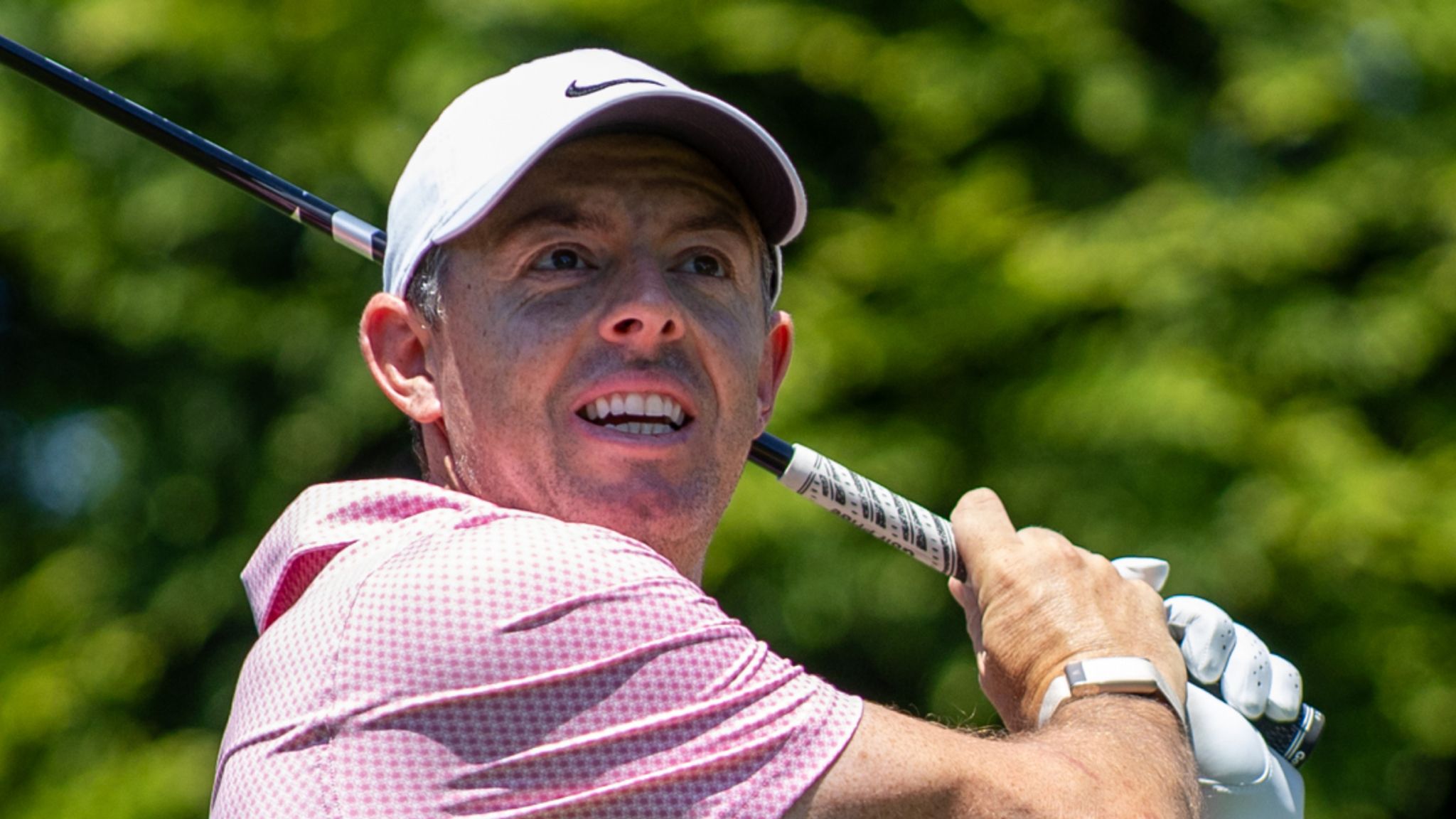
Rory McIlroy heads into the upcoming PGA Championship carrying renewed confidence after a crucial late-night range session helped him rediscover control of his swing and eliminate technical flaws that had threatened to derail his momentum. Following an uncharacteristically frustrating performance at the Truist Championship, the four-time major winner believes he has successfully corrected the issues behind his recent inconsistency — delivering a potentially massive confidence boost ahead of one of golf’s biggest tournaments.
The Northern Irish superstar admitted he was battling frustrating “bad habits” during the third round of the Truist Championship, where his challenge for a record-breaking fifth title unexpectedly collapsed. After producing one of his highest PGA Tour scores in nearly a year, McIlroy quickly turned his attention toward fixing the problem rather than dwelling on disappointment.
Instead of leaving the golf course frustrated, McIlroy immediately headed to the practice range for an intense recovery session, determined to identify exactly what had gone wrong with his game. That decision may now prove to be one of the defining moments of his season as he prepares for another shot at major championship glory.
Rory McIlroy’s Swing Struggles Suddenly Reappear
For much of the week, McIlroy looked poised to contend once again, but subtle technical flaws gradually crept into his game and disrupted his rhythm. The world No. 2 revealed that he had started consistently missing shots to the left — an issue that quickly spiraled into a bigger concern during his disappointing third round.
Saturday’s struggles proved especially damaging, with McIlroy carding a frustrating 75, his highest PGA Tour round since June of last year. What initially appeared to be a temporary dip in form quickly became a noticeable mechanical issue that required immediate attention.
The biggest concern for McIlroy was the consistency of the mistake.
Rather than one isolated swing error, nearly every aspect of his game started drifting left — from irons to drives — making it increasingly difficult to control ball flight or attack scoring opportunities.
Recognizing the danger of carrying those habits into the PGA Championship, McIlroy wasted no time addressing the issue.
The Emergency Range Session That Could Transform McIlroy’s Major Hopes
While many players would have left the course mentally frustrated after a poor round, McIlroy instead embraced the moment as an opportunity for correction.
Following Saturday’s struggles, the former Masters champion reportedly hit approximately 100 golf balls during an extensive evening range session aimed at regaining command of his swing mechanics.
The goal was simple: eliminate the destructive “left miss” before it could damage his confidence heading into the second major championship of the season.
McIlroy later explained that repeated practice in windy conditions had unintentionally contributed to the issue. According to the 35-year-old golfer, spending several days practicing in strong left-to-right winds subtly changed his alignment and clubface positioning, leading to increasingly wayward shots during competitive play.
“I started hitting everything left,” McIlroy admitted after the tournament. “I spent a lot of time on the range Saturday night trying to straighten things out.”
The explanation highlighted just how fine the margins are at the elite level of professional golf. Small adjustments made to compensate for weather conditions during practice can quickly evolve into damaging habits once tournament pressure begins to build.
McIlroy noted that the dominant left-to-right wind during practice rounds encouraged him to subconsciously aim farther left than usual, while slightly closing the clubface at impact to compensate for wind movement.
Over time, those adjustments gradually became overemphasized.
As a result, shots that normally would have held their line began drifting dangerously left throughout competition.
Fortunately for McIlroy, the late-night technical reset appears to have delivered immediate results.
Déjà Vu: Masters Success Inspires Another Comeback
Interestingly, this is not the first time a post-round range session has helped McIlroy rescue his form during a major season.
Only four weeks earlier at Augusta National, McIlroy found himself facing an eerily similar challenge during his successful Masters campaign.
At that tournament, he also struggled with recurring left misses and briefly lost momentum after surrendering a six-shot advantage midway through the competition. However, intensive practice sessions allowed him to stabilize his swing and regain confidence before ultimately capturing the Green Jacket in dramatic fashion.
That experience may have given McIlroy the belief he needed this time around.
Rather than panic following his poor third round at the Truist Championship, the Northern Irishman leaned on lessons learned from Augusta — trusting that technical discipline and repetition could quickly restore confidence.
The strategy appears to have worked once again.
After correcting his mechanics on the practice range, McIlroy returned to produce an impressive final-round 67, instantly reviving optimism surrounding his form ahead of the PGA Championship.
More importantly, the quality of his ball striking dramatically improved.
“I felt like I figured it out,” McIlroy explained. “I hit the ball much better.”
That simple statement may prove hugely significant for golf fans watching his major championship chances.
Why McIlroy’s Timing Could Not Be Better
With the PGA Championship rapidly approaching, McIlroy’s ability to diagnose and fix problems so quickly may represent one of the most encouraging developments of his season.
Unlike previous years where technical struggles occasionally lingered for weeks or even months, McIlroy now appears far more comfortable identifying flaws before they become major setbacks.
That maturity could become a defining factor in his pursuit of another major title.
Momentum in golf can change incredibly fast.
Players often arrive at major championships battling swing uncertainty or confidence issues that quietly sabotage their chances before the tournament even begins. McIlroy, however, now enters the week with renewed belief after ending the Truist Championship strongly and feeling significantly better about his swing.
The psychological benefit alone could prove enormous.
Instead of focusing on what went wrong during Saturday’s collapse, McIlroy leaves knowing he already found answers.
For elite golfers, confidence in ball striking often determines everything.
And based on his own comments, McIlroy appears increasingly reassured that the technical problem has been resolved.
PGA Championship Expectations Continue Rising
McIlroy’s resurgence also comes at a fascinating moment in the golf season.
After ending years of frustration by finally securing another Masters triumph, expectations surrounding his 2026 campaign have skyrocketed. Many now believe the Northern Irishman could be poised for one of the strongest major seasons of his career.
Winning one major often relieves enormous pressure.
For McIlroy, finally capturing another Green Jacket appears to have brought renewed freedom and composure to his game.
Rather than forcing results, he seems increasingly patient and methodical — even when challenges arise.
That mindset could become crucial during the PGA Championship, where consistency and mental resilience often separate contenders from pretenders.
The competition will undoubtedly be fierce, with many of golf’s biggest names arriving in strong form. Yet few players possess McIlroy’s combination of experience, power and proven ability to respond under pressure.
His ability to immediately bounce back after technical setbacks only strengthens belief that he could once again contend on one of golf’s biggest stages.
Why Fans Should Not Overreact to One Poor Round
Despite the headlines surrounding his third-round struggles, McIlroy’s overall performance at the Truist Championship still contained plenty of positives.
Golf is an unforgiving sport where even elite players endure difficult rounds.
The difference lies in how quickly they respond.
Rather than allowing frustration to snowball into a prolonged slump, McIlroy immediately went to work fixing the issue — and produced instant improvement.
That response may reveal far more about his major championship readiness than the disappointing score itself.
Elite golfers rarely avoid adversity altogether.
Champions simply manage it better.
And based on recent evidence, McIlroy appears increasingly capable of adapting quickly when challenges emerge.
Can Rory McIlroy Carry Momentum Into the PGA Championship?
The biggest question now is whether McIlroy’s technical breakthrough will translate into major championship success.
History suggests it very well could.
His Masters triumph already demonstrated how quickly he can recover from adversity after similar swing concerns. If the range session truly corrected his ball-flight issues once again, McIlroy may arrive at the PGA Championship feeling more dangerous than ever.
Confidence, momentum and timing are everything in professional golf.
Right now, McIlroy appears to possess all three.
After turning frustration into progress and rediscovering confidence in his swing, the Northern Irishman looks ready to mount another serious challenge for major glory.
If Saturday night’s range session proves to be the turning point McIlroy believes it was, golf fans may have just witnessed the beginning of another major championship charge.